
Transport has always been more than a means of moving people and goods — it is the backbone of civilization, a driver of commerce, and a mirror reflecting the pace of human progress. From the earliest days when ancient societies carved trade routes through deserts and across seas, to today’s digital age where global supply chains are monitored in real time, the evolution of transport tells the story of innovation, adaptation, and ambition.
In the past, transport was slow, limited, and dictated largely by geography and natural resources. Civilizations like the Egyptians leveraged the Nile, while the Romans engineered roads that connected an empire. These innovations weren’t just practical solutions; they shaped economies, influenced culture, and determined which societies rose to dominance. Over centuries, the transport sector expanded through maritime exploration, the steam engine revolution, railroads, and eventually automobiles and aviation — each era redefining what was possible.
The present stage of transport is marked by speed, interconnectedness, and data-driven decision-making. Airplanes carry passengers across continents in hours. Ships that are longer than skyscrapers deliver thousands of containers daily, keeping global trade alive. Meanwhile, public transport systems in mega-cities move millions of commuters efficiently each day. Technology has become a decisive force, making transport safer, faster, and more sustainable than ever. Yet, despite these advances, the industry faces pressing challenges: congestion, environmental impact, and the need to balance profit with sustainability.
Looking into the future, transport is on the cusp of another transformation. The rise of electric vehicles, autonomous fleets, and hyperloop concepts are signaling the end of fossil fuel dependence. Smart cities, powered by AI and IoT, will integrate transport into broader urban ecosystems, ensuring efficiency and reducing environmental footprints. At the same time, emerging markets are redefining demand — as more people join the middle class, the demand for mobility grows, creating both opportunities and pressures on infrastructure.
The evolution of global transport is not just about technology but about people, policies, and priorities. Every leap forward has been shaped by necessity — from survival and exploration to commerce and sustainability. This article explores how transport has changed through history, the factors driving current trends, and what the future may hold. By tracing this journey, we gain insights not just into the movement of goods and people, but into the movement of humanity itself.
1. Transport in the Past: Foundations of Mobility
The earliest forms of transport were simple, but they transformed societies. Human and animal power carried loads across villages and regions, enabling trade and cultural exchange. Ancient waterways such as the Nile in Egypt and the Tigris-Euphrates system in Mesopotamia became arteries of commerce, allowing cities to grow around them. The invention of the wheel around 3500 BCE marked a revolutionary turning point, giving rise to carts and chariots that increased the speed and efficiency of land movement.
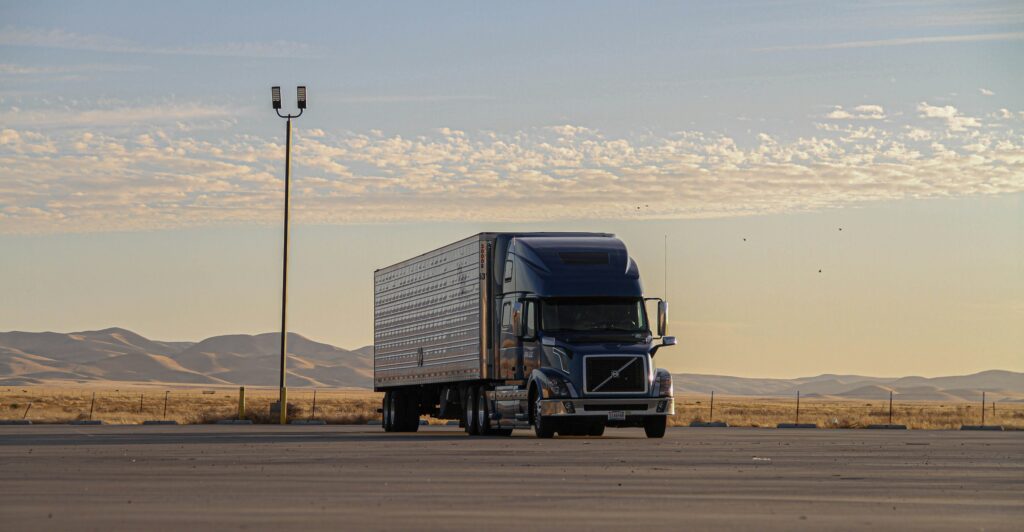
Civilizations that mastered transport dominated others. The Roman Empire, for example, is remembered as much for its military might as for its engineering marvels. Its vast network of paved roads — over 250,000 miles at its peak — connected distant provinces, facilitated trade, and allowed troops to be deployed rapidly. Similarly, maritime advancements shaped empires. The Vikings used their longships to explore, raid, and trade across Europe, while Chinese dynasties perfected large fleets for commerce along the Silk Road’s maritime extensions.
The Industrial Revolution of the 18th and 19th centuries redefined the transport landscape. The invention of the steam engine gave rise to railroads and steamboats, reducing travel times from weeks to days. Goods that once took months to transport could now reach markets rapidly, fueling industrial growth and urbanization. These advances shifted the global economy, giving industrial nations immense advantages in trade and warfare.
2. Transport in the Present: Interconnected and Globalized
Today, transport operates on a global scale, binding together economies, cultures, and lifestyles. Air travel has shrunk the world; a journey that once took months by sea now takes less than a day. According to the International Air Transport Association (IATA), over 4.5 billion people flew annually before the pandemic disrupted travel in 2020, illustrating how deeply aviation is embedded in modern life.
Shipping remains the lifeline of global trade. Containerization, introduced in the 20th century, revolutionized logistics by standardizing cargo movement. Now, mega-ships can carry up to 24,000 containers, delivering goods that stock supermarket shelves and fuel factories worldwide. Without shipping, globalization as we know it would not exist.
Public transport systems have also become defining features of modern cities. The Tokyo Metro, London Underground, and New York Subway move millions daily, demonstrating how urban transport underpins economic activity. Innovations such as contactless ticketing and real-time GPS updates have enhanced efficiency and user experience.
However, modern transport faces significant challenges. Traffic congestion costs billions annually in lost productivity. Environmental concerns are pressing, as transport accounts for nearly 25% of global CO₂ emissions. Safety, accessibility, and affordability remain issues, especially in developing countries where infrastructure is limited. These realities drive ongoing research, innovation, and policy interventions.
3. Transport in the Future: Smart, Green, and Autonomous
The future of global transport is already taking shape. One of the most visible trends is the rise of electric mobility. Governments worldwide are phasing out internal combustion engine vehicles in favor of electric alternatives, supported by advances in battery technology and charging infrastructure. Major automakers like Tesla, Toyota, and Volkswagen are leading the charge, while public policies and subsidies accelerate adoption.
Another revolutionary change lies in autonomous vehicles (AVs). Companies like Waymo and Tesla are testing self-driving cars, promising safer and more efficient mobility. In freight transport, autonomous trucks could reduce delivery costs and address driver shortages, while drones may transform last-mile logistics.
Hyperloop technology — high-speed pods traveling in vacuum tubes — remains experimental but holds potential to drastically cut travel times between cities. Similarly, supersonic aviation concepts are re-emerging, aiming to revive the speed once offered by Concorde but in a more sustainable form.
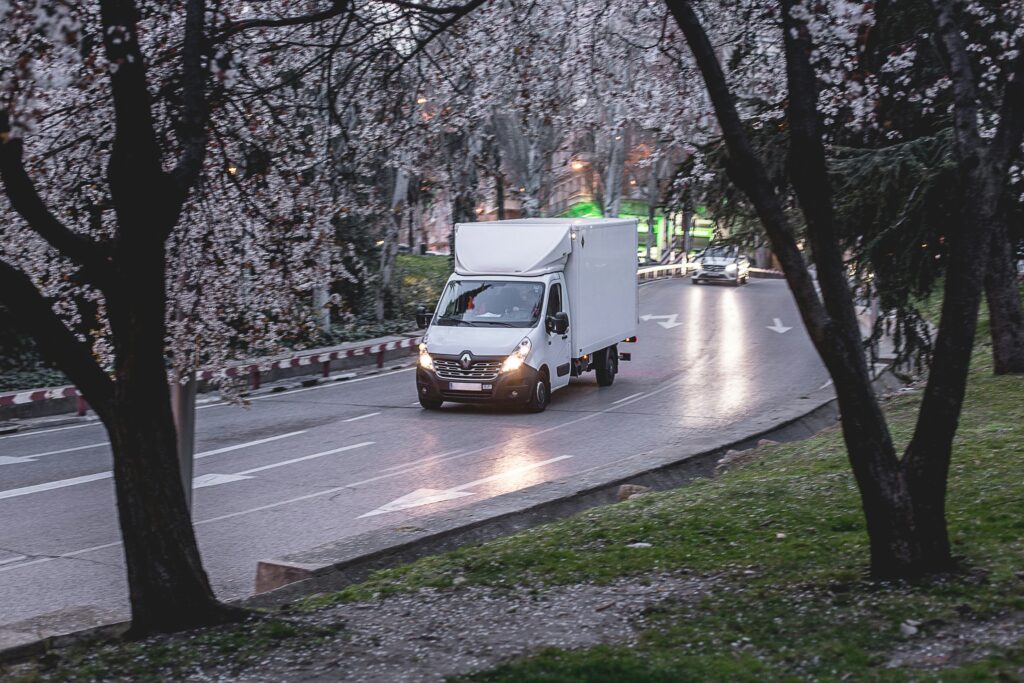
Smart cities will integrate transport into broader digital ecosystems. AI-driven traffic management, IoT-enabled vehicles, and seamless intermodal travel will create environments where congestion is minimized and emissions are reduced. For example, Singapore already employs advanced traffic management systems that adjust signals dynamically based on real-time data.
Sustainability will be a defining theme. Hydrogen-powered vehicles, circular supply chains, and stricter emission regulations will reshape how companies and governments approach transport. The United Nations’ Sustainable Development Goals (SDGs) emphasize equitable access to clean transport as a cornerstone for development, highlighting the sector’s global importance.
4. The Human Factor: Culture, Policy, and Behavior
While technology dominates discussions, human behavior and policy decisions are equally influential. The COVID-19 pandemic, for instance, altered commuting patterns dramatically, pushing many towards remote work and reducing transport demand in urban centers. Yet, it also underscored the resilience and adaptability of transport systems, as delivery services and logistics became lifelines for economies under lockdown.
Policy plays a decisive role in shaping transport futures. Regulations on emissions, safety standards, and infrastructure investment can accelerate or stall innovation. For example, the European Union’s Green Deal includes ambitious targets for carbon neutrality, directly influencing the direction of transport industries across the continent.
Cultural factors also matter. In some societies, car ownership remains a status symbol, while in others, shared mobility and cycling dominate. These variations will continue to shape demand and adoption of new technologies.
The story of global transport is ultimately the story of human progress. From the carved river routes of ancient civilizations to today’s digitally connected supply chains, every advancement in mobility has reshaped economies, cultures, and opportunities. The past reminds us how innovation — such as the wheel, roads, and steam power — elevated empires and industries. The present illustrates a world of interconnected systems where shipping, aviation, and public transit are indispensable to daily life but also fraught with challenges like congestion and environmental strain.
Looking forward, the future of transport is expected to be smart, sustainable, and autonomous. Electric mobility, AI-driven systems, hyperloop technology, and hydrogen fuel represent only a fraction of what may define the coming decades. Yet, while technology excites, it is human priorities, cultural habits, and policy frameworks that will ultimately determine the direction and pace of change. The sector’s ability to balance efficiency, accessibility, and sustainability will define its contribution to global development.
Transport is not just about movement — it is about connection. Understanding its evolution helps businesses, governments, and individuals prepare for a world where mobility continues to shape prosperity and possibility.
References:
- International Air Transport Association (IATA), Annual Reports
- International Energy Agency (IEA), Transport Emissions Data
- World Bank, “Transport and Development” Reports
- European Union Green Deal Framework, 2025
- United Nations Sustainable Development Goals (SDGs)